Why Birds Migrate: A Plain-English Explainer for UK Birdwatchers
Stand in a coastal field on a bright morning in late April and a wheatear may hop onto a fence post, flick its tail, and drop back into the grass. It has almost certainly flown through the night, perhaps from North Africa, and it will move on again tonight. Nothing announces it and few people notice, but it is one of the great events of the British year. Once you start looking for migration, spring and autumn never feel quite the same again.
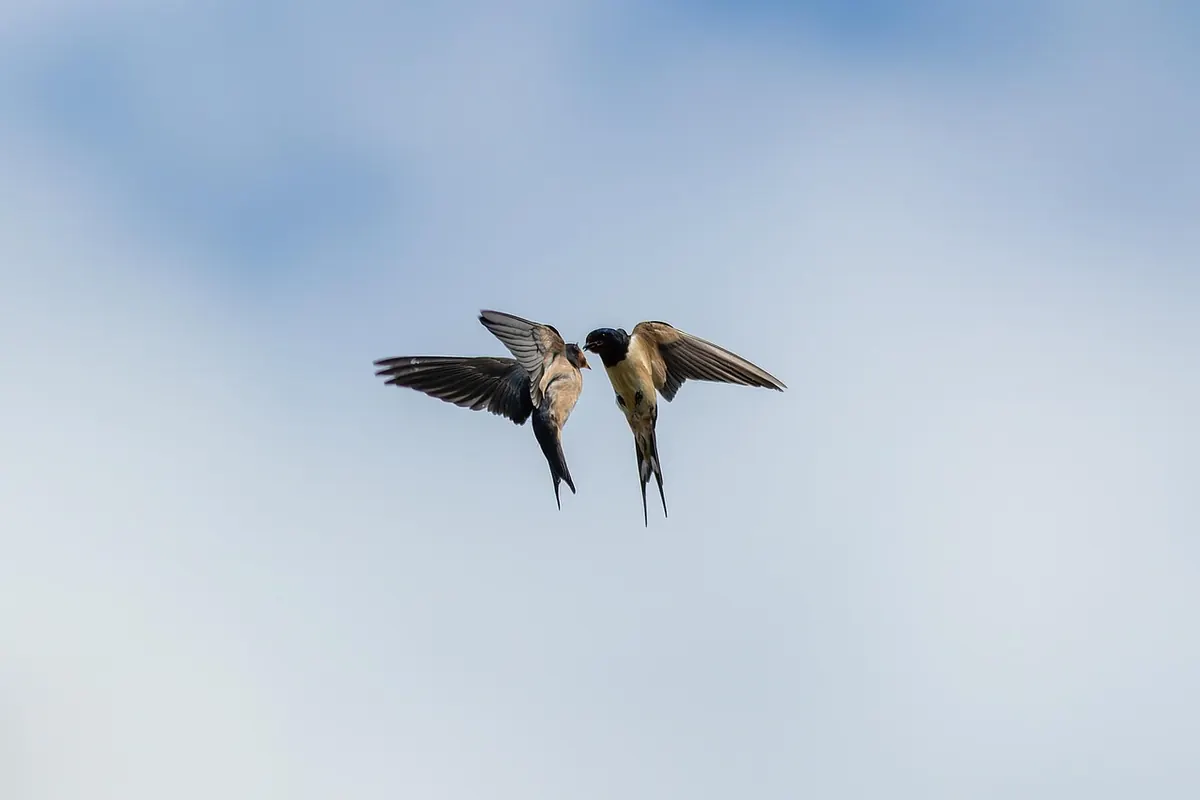
Migration is a regular seasonal movement between a breeding area and a wintering area, with the return journey built in. It is not aimless wandering, and it is not the same as a tit drifting along a hedgerow. A swallow over a Somerset barn in June and a swallow over southern Africa in January are the same bird, following a route it has never flown before.
Most British birds sit somewhere on a spectrum. Some are full migrants, some are residents, and plenty are partial migrants whose numbers swell in winter. The blackbirds in your garden in November may have crossed the North Sea. That robin on your spade could be a local bird or a Scandinavian arrival. This overlap is what makes British birding so rewarding: the common birds are always worth a second look.
Birds do not consult a calendar; they measure daylight. As days lengthen, hormonal changes prompt fattening, restlessness and the urge to head north. The restlessness is obvious enough that it has its own name, zugunruhe, and captive birds show it at the same time of year that wild birds set off. Before a long sea crossing, a small warbler can lay down substantial fat reserves — fuel that will be burned over the North Sea in a single night.
Weather is the release mechanism rather than the cause. A bird ready to go waits for the right wind. In spring, southerlies and south-westerlies help migrants move north, while a spell of northerlies can hold them back for days. When those held-back birds finally meet rain, fog or a headwind on the coast, they drop into the nearest cover — a "fall". In autumn, the pattern reverses: high pressure over Scandinavia and a brisk easterly can push birds off course and onto our east coast.
Arrival dates track resources. Insect-eaters such as spotted flycatchers and swifts time their return to peak insect numbers, while autumn fruit crops and berry-laden hedgerows fuel birds heading south. This is why stopover sites matter so much. An estuary, a sewage works, a coastal copse or a weedy field margin can be the difference between a successful crossing and a failed one.
Britain sits at the western edge of the East Atlantic Flyway, the route that links Arctic breeding grounds through western Europe to West Africa. Species as different as knot, bar-tailed godwit, pink-footed goose and Arctic tern use it, and our estuaries — the Wash, the Humber, Morecambe Bay, the Severn, the Dee — are key staging posts.
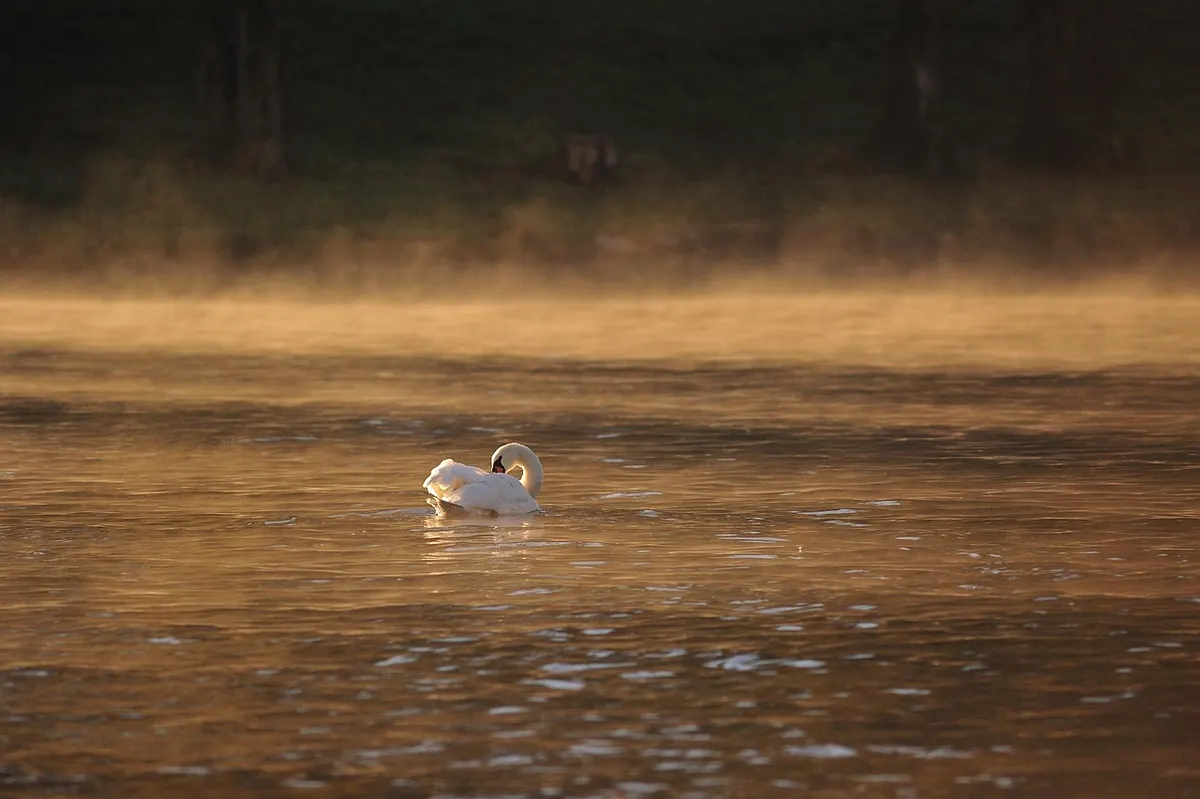
A second route comes down from Iceland and Greenland, bringing whooper swans, pink-footed geese and some redwings. A third runs across the North Sea from Scandinavia and the Low Countries, which is why the east coast, from Shetland and Fair Isle down through Flamborough, Spurn and Norfolk, gets the lion's share of surprises. The geography funnels birds into a handful of headlands, and that is precisely where you want to be standing.
Spring arrives in stages rather than all at once, and knowing the order of play makes your birding much more productive. Roughly speaking:
Cold northerlies slow everything down; a warm southerly can deliver a day you will remember for years. Check forecasts the evening before, and be outside early.
Autumn migration starts earlier than most people expect. Adult waders that failed to breed are already heading south in July, with green sandpipers and wood sandpipers turning up at gravel pits and reservoirs. Cuckoos slip away in late summer, swifts follow in August, and swallows gather on wires through September.
October and November bring the classic arrivals: redwings and fieldfares from Scandinavia, pink-footed geese from Iceland, whooper swans bugling over reservoirs. Then there is the drift. When easterlies meet high pressure in September and October, Siberian birds overshoot westward — yellow-browed warblers in sycamores, the occasional red-flanked bluetail, bluethroat or barred warbler in a coastal garden. Nobody can promise you one. That is part of the appeal.
All wild birds, their nests and eggs are protected by law in the UK, so keep a respectful distance from nest sites and follow the Birdwatchers' Code.
You do not need an observatory or a rarity to enjoy this. Choose one local patch — a park with mature trees, a reservoir edge, a coastal strip — and visit it at the same time once a week through April and October. Note the dates of your first swallow, first wheatear, first redwing. Within a season or two you will recognise the shape of migration, and you will spot the oddities because you know what normal looks like. That is the real skill, and it costs nothing but time.
Photo: hapr80 / Pixabay
Previous Post
The Full-Day Birdwatching Checklist: What to Pack for Estuaries, Woodlands and Uplands
Next Post
Binoculars vs Spotting Scope: Which Optical Tool Suits Your Birdwatching?