The Full-Day Birdwatching Checklist: What to Pack for Estuaries, Woodlands and Uplands
A full day's birdwatching rarely ends where it started. You arrive for a high tide on the estuary, someone mentions a wood twenty minutes inland, and by late afternoon you are squinting into a headwind on a moorland edge. That is the joy of it, and it is also why a hastily assembled bag lets you down. These three habitats ask different things of your kit: estuaries are about wind, glare and mud; woodlands are about brambles, midges and ticks; uplands are about weather that shifts faster than any forecast admits. Pack for all three and you will stay out longer, see more and come home drier.
Binoculars are the one item worth fussing over. An 8x42 or 10x42 pair suits most British birding — bright enough at dusk on a saltmarsh, wide enough to follow a warbler through a hedgerow. Fit a harness rather than a thin neck strap. After four hours your neck will thank you.
Keep a small pouch of consumables with them: a lens cloth, a spare still in its wrapper, a soft brush for sand and pollen, and a rainguard that genuinely stays put. Salt spray and grit ruin coatings quietly, and a cloth that has sat in a pocket with a set of keys is worse than no cloth at all.
A spotting scope earns its weight at an estuary, where waders and wildfowl sit far out across mud or water. Take a tripod with a quick-release plate and practise setting it up at home, in the wind, before you need it. On upland days, many birders leave the scope in the car and carry a monopod instead; it doubles as a support on a steep descent. Add spare batteries and a spare memory card if you are carrying a camera.
Layering beats bulk. A wicking base layer, a fleece or light insulated mid-layer, and a waterproof shell will cover most of the year. What changes between habitats is everything around that core.
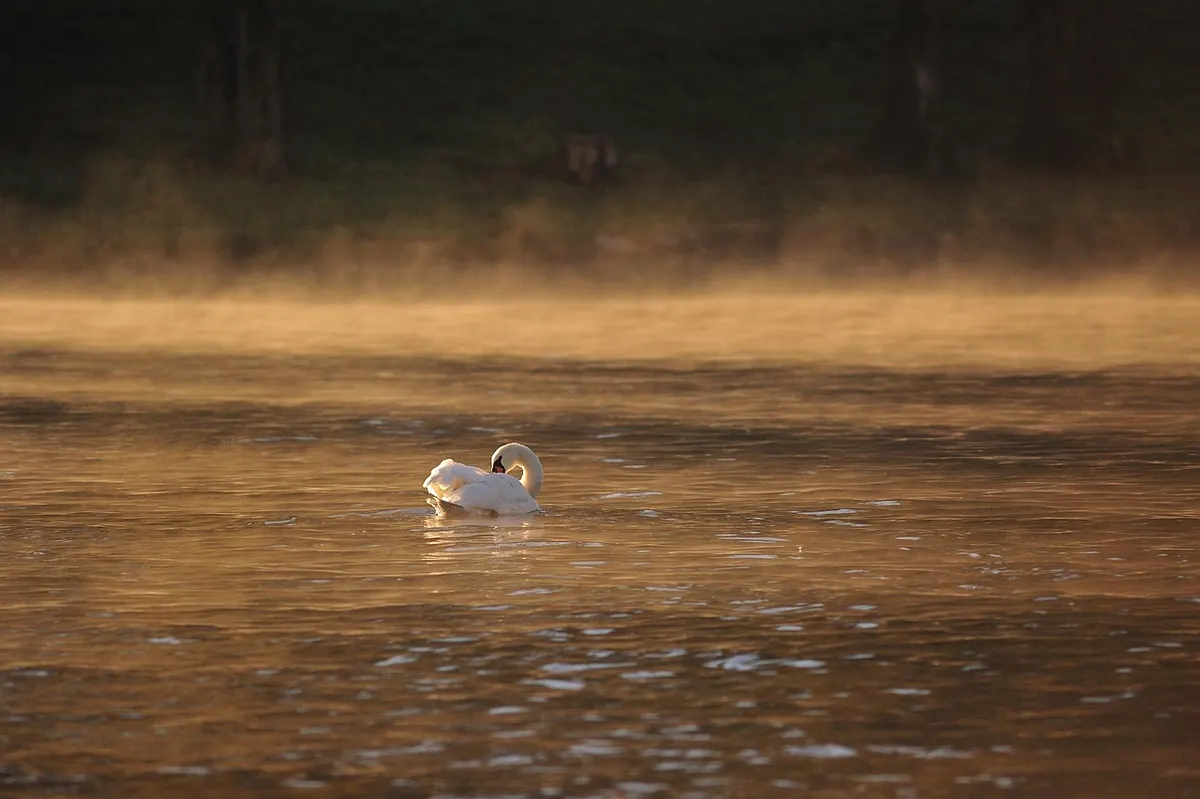
Wind off open water is the real challenge, and it arrives with nothing to break it. Wellies or waders, gaiters, and waterproof overtrousers matter more here than anywhere else. Add a windproof shell, a hat that will not lift off, and thin gloves you can still use a focus wheel in. Polarising sunglasses cut the glare off wet mud and water, and sun cream is worth carrying even in early spring. A single walking pole makes greasy slipways and muddy paths far safer.
Treat mudflats with respect. Never walk out onto mud you do not know, and never let a rising tide catch you watching a flock. Check a local tide table for the day, stay on established paths and banks, and watch from the shore — from a decent vantage point you will often see just as much.
Long sleeves, trousers tucked into socks, and boots with real grip on roots and leaf litter. Light-coloured clothing makes ticks easier to spot. Insect repellent is essential from late spring for midges, and a wide-brimmed hat saves your ears from brambles and low conifer branches. Thin gloves help when you are pushing through dense growth.
Do a tick check when you get back: shower, then look carefully, including behind the knees and along the waistband. Remove any attached tick with fine-tipped tweezers, pulling steadily. If you later develop a rash or feel unwell, speak to a GP or call NHS 111 for advice.
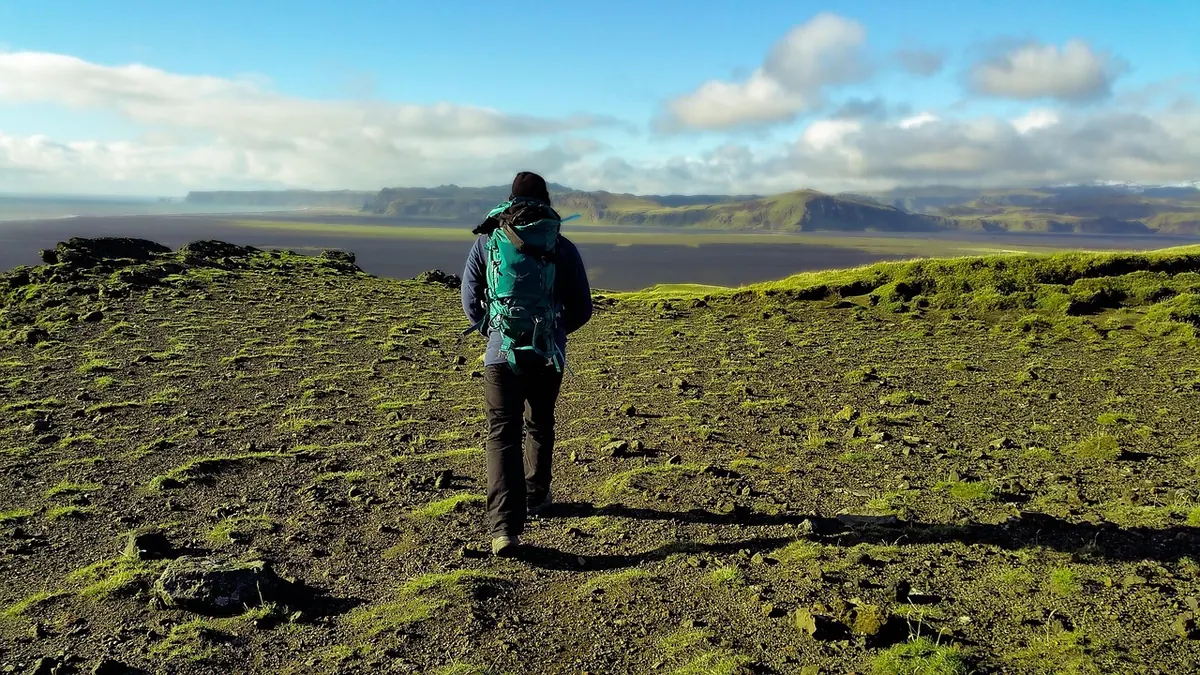
Exposed ground can be cold and wet in July. Carry waterproof jacket and trousers, a spare insulation layer in a dry bag, hat, gloves, and spare socks. Ankle support matters on rough ground. Mobile signal is patchy to non-existent, so leave your route and expected return time with someone at home, and take a paper map and compass rather than relying on a phone that will drain in the cold.
If you take regular medication, carry it with you and know your own routine. For anything you are unsure about — travel, medication, walking in remote areas — ask a pharmacist or your GP rather than guessing.
A small waterproof notebook and a pencil beat a phone in the rain, and pencils do not freeze. Note the time, place, approximate grid reference, weather, wind direction, tide state, species and counts, and anything the birds were doing. Voice notes are handy but wind ruins them; a basic recorder with a foam windshield is more reliable. A field guide, a county checklist and a way of photographing anything you cannot identify will settle most arguments later. Transfer your notes into a proper list the same evening, while the details are still sharp.
Print this, tick it off, and keep a copy inside the rucksack between trips.
Charge the batteries. Check the tide table and the wind direction. Fill the flask, put your clothes out in one place, and read the forecast for the habitat you are actually visiting rather than the town you live in. Leave a note of where you are going and when you expect to be back.
Do that, and the morning belongs to the birds. The best days out are the ones where you never once think about your bag.
Photo: Pexels / Pixabay
Previous Post
How to Identify UK Garden Birds by Song: A Seasonal Listening Guide
Next Post
Why Birds Migrate: A Plain-English Explainer for UK Birdwatchers