How to Birdwatch Your Local Patch: Parks, Canals and Cemeteries
Most of the best birdwatching you will ever do happens within a mile of your kitchen. Not because your local park holds anything rare, but because you go often enough to notice when something changes: the chiffchaff back on the same branch, a heron standing on a garage roof, redwings dropping onto the playing field overnight. A patch is not a place with good birds. It is a place you know well enough to see them. The first time you visit, you might tick a few common species and think you have seen everything. The fiftieth time, you notice that the robin sings from the same three perches, that the mallards vanish for an hour each afternoon, that the first willow warbler always arrives in the same sycamore. That is when patch birding begins.
Rarity-hunting teaches you little. Repetition teaches you a great deal. Walk the same route every week and you stop identifying birds and start watching them: which tree the treecreeper works first, where the moorhens nest, how a blackbird's song shifts from February to May. You also build a baseline, so you can tell a genuinely quiet morning from a normal one. A single visit tells you what is present. Regular visits tell you what is normal, and only then can you recognise the unusual. That is how local rarities get found: not by people who chase every report, but by people who know that the call from the ivy is not the usual great tit. Your patch also becomes a record of change. Over years, you may notice earlier chiffchaffs, later redwings, fewer swifts, more parakeets, a pond silting up, a hedge cut at the wrong time. Those observations matter.
Look for somewhere you can reach in ten or fifteen minutes on foot or by bike: the patch you visit twice a week beats the better one you visit twice a year. Then weigh these up.
Parks are underrated because they are easy. That is exactly their strength. Go early, before the mowers, dogs, and footballs arrive. Check the edges first: the hedge by the car park, the flowerbed with leaf litter, the line of lime trees. In winter, playing fields can hold redwings and fieldfares stripping berries, while mistle thrushes sing from the tallest tree. After rain, watch blackbirds and song thrushes pulling worms from the grass. In spring, listen for chiffchaff, blackcap, and the first swift screaming over the rooftops. In some cities, ring-necked parakeets, grey wagtails by fountains, and peregrines on tower blocks are all park birds now. Keep looking up.
Canals are linear, which makes them perfect for a repeatable route. You can walk the same half-mile there and back and cover it twice with different light. Look for kingfishers flashing low over the water, grey wagtails bobbing on lock gates, and moorhens picking along the mud. Herons stand on moored boats as if they paid rent. In winter, check the wider stretches for goosander, cormorant, tufted duck, and gadwall. In spring, listen for chiffchaff and willow warbler in the trees by the towpath, and watch for swallows and martins over the water. The trick is to walk slowly and look ahead: many canal birds see you long before you see them. Keep left, do not block cyclists or boaters, and remember that a canal is a working waterway, not just a nature reserve.
Cemeteries can be among the best local patches of all. They are often old, lightly managed, full of mature trees, ivy, yew, and stone walls. That combination suits woodpeckers, nuthatches, treecreepers, goldcrests, and tawny owls. In autumn and winter, redwings and fieldfares drop in for berries; in spring, blackcaps and chiffchaffs sing from the conifers. Because few people birdwatch in cemeteries, the birds are often less disturbed. But the rules matter. Keep to paths, keep your voice low, do not use playback, and respect anyone who has come to mourn. If there is a service, leave. A cemetery is not a park with headstones; it is a place with its own etiquette.
The patch birder's skill is attention. Arrive with no target and no hurry. Pick one tree and watch it for ten minutes. You will see more than you would by walking past twenty trees. Learn three calls a week: great tit, blue tit, chiffchaff, blackbird alarm, robin. Soon the soundscape separates into individuals. Use binoculars, but do not live in them. Sometimes the naked eye shows the jizz: the bounce of a wagtail, the heavy flight of a heron, the way a wren slips into a wall.
A patch is not a checklist. It is a conversation you keep returning to.Ask why a bird is there, not just what it is. Food, shelter, water, safety: those four things explain most sightings.
Write down more than species. Note the first song thrush singing, the day the swifts left, the frost that pushed redwings onto the field, the cat that sits under the bird feeder. Counts matter too: five moorhens, twelve redwings, one grey wagtail. Over a year, those notes become a local natural history. Over five years, they become evidence. Use a paper notebook, a spreadsheet, or a recording app such as BirdTrack or eBird if you like, but keep it simple enough that you actually do it. At the end of each month, read back. You will see patterns you missed in the moment.
Stay on public paths, close gates, and keep away from nests and roosts. Do not feed bread to ducks; it fouls the water and attracts rats. Do not use playback for scarce breeders, and never disturb a bird to get a better view. Near canals, keep back from the edge, especially after rain, and be aware of cyclists and boat traffic. In cemeteries, follow opening times and quiet rules. Tell someone where you are going, carry a phone, and avoid unlit places at dusk if you are alone. Take your litter home, and pick up a piece of someone else's if you can. A patch you care for is a patch that keeps its birds.
You do not need a rare bird to have a good day's birding. You need a place you know. The local patch teaches patience, attention, and humility. It shows you that a heron on a garage roof can be as striking as an eagle, and that the first chiffchaff of spring is a genuine event if you have been waiting for it. Start tomorrow. Walk the same route. Look a little longer. The patch will do the rest.
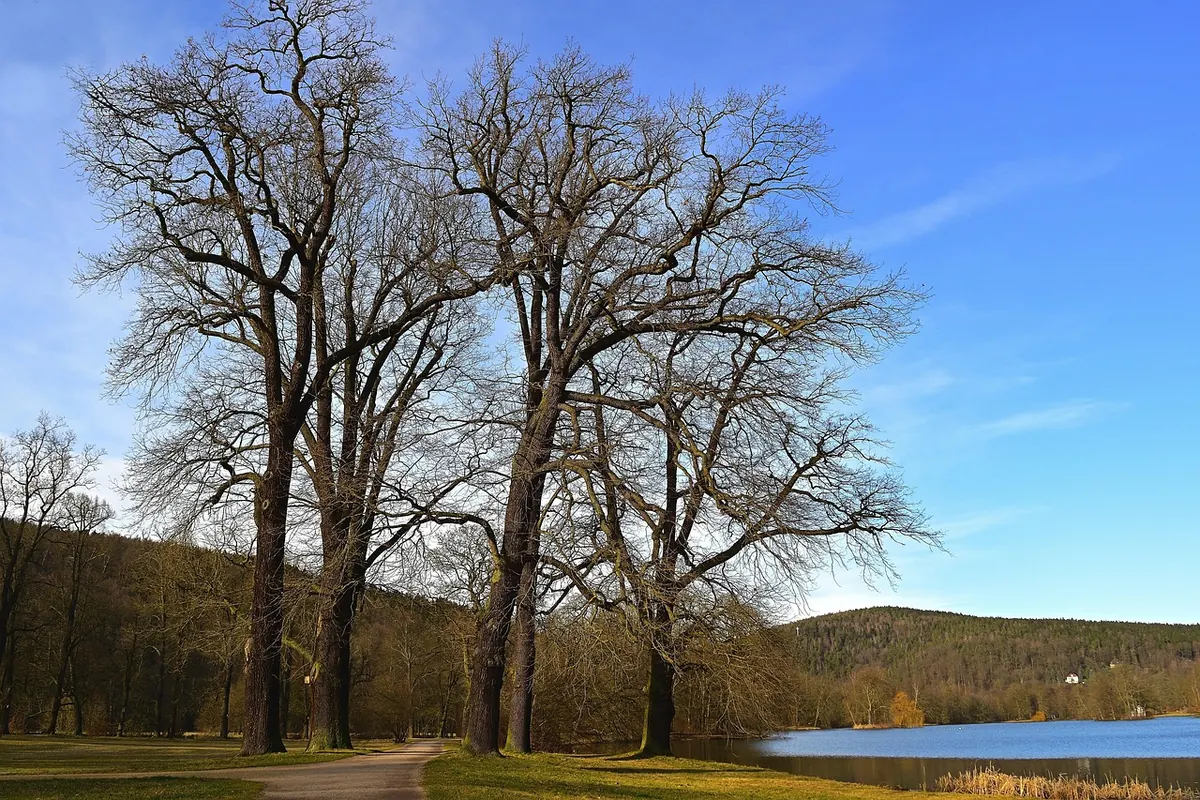
Photo: jggrz / Pixabay
Previous Post
Winter Birdwatching in the UK: Wetlands, Estuaries and Garden Feeders
Next Post
How to Photograph Birds at Garden Feeders: Settings, Perches and Lighting