Winter Birdwatching in the UK: Wetlands, Estuaries and Garden Feeders
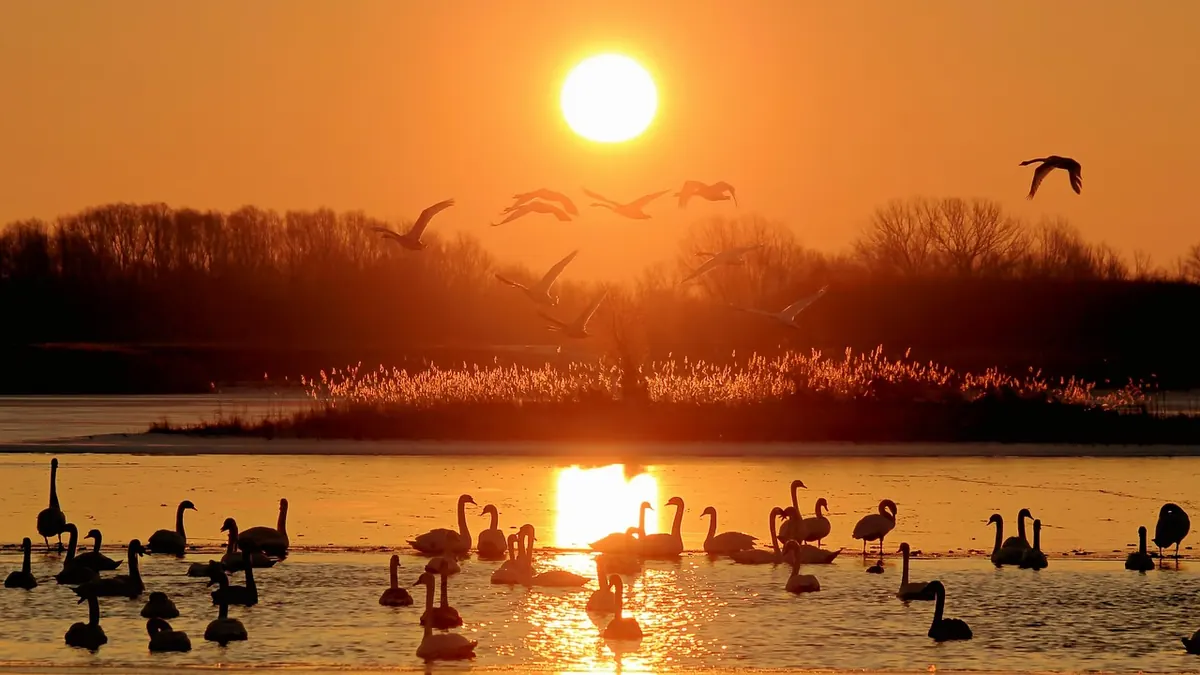
Winter is often sold as the quiet season for wildlife, which is nonsense if you own a pair of binoculars. Once the leaves drop and the first real frosts arrive, birds that spent the summer spread thinly across the countryside gather into flocks. A gravel pit that looked empty in June can hold 300 ducks in January, and the feeder you ignored all summer becomes the busiest place in the parish.
Two things happen at once. Resident birds loosen their grip on territories and join mixed flocks — tits, goldcrests, treecreepers and nuthatches moving through the woods together, which makes them far easier to find than in spring. At the same time, birds arrive from elsewhere: thrushes from Scandinavia, wildfowl from Iceland and Arctic Russia, geese from Greenland and Svalbard, waders that nest in the high Arctic and spend the winter on our estuaries.
Weather drives all of it. A hard frost in eastern Europe can push birds west overnight, so a bright morning after a cold snap often turns up something unexpected. Treat the first still, cold day after a freeze as an appointment.
Still freshwater is the easiest winter habitat to work. Wigeon graze on the grass at the water's edge, whistling to each other; teal dabble in the shallows; shovelers sweep their outsized bills through the surface; gadwall and pintail sit a little further out. Among the diving ducks, look for goldeneye with their neat round heads, and the odd goosander or smew — the latter scarce, but unforgettable.
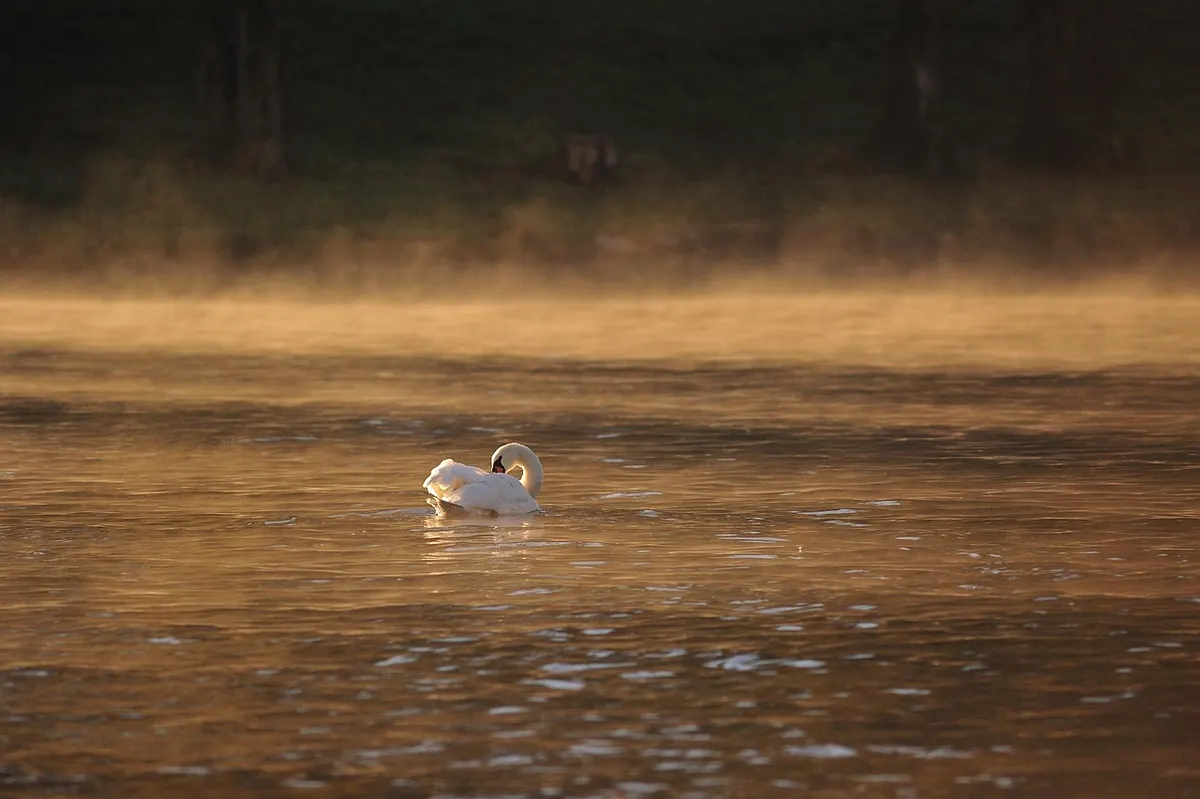
Scan the swans carefully. Mute swans are straightforward, but whooper and Bewick's swans winter here too, feeding in fields by day and returning to water to roost. Whoopers look long-necked and yellow-billed, and hold their necks straight rather than curved.
Reedbeds reward patience. Bitterns winter among the stems, standing motionless, and a marsh harrier quartering the reeds at dusk is one of the great winter sights. Water rails call from deep cover, a pig-like squeal heard far more often than the bird is seen.
An estuary is the best winter birdwatching habitat in the UK, but it runs to a timetable. At low water the feeding birds are spread across the mud, hundreds of yards away. As the tide pushes them off the flats they gather at roosts and come within range of a modest scope or decent binoculars.
Start about two hours before high water and walk in with the tide. Expect knot and dunlin in tight, restless carpets, grey plover standing stiff and silver, black- and bar-tailed godwits, curlew probing the mud, redshank, oystercatchers and, on sandy shores, sanderling running at the water's edge. Along the south and south-west coasts, avocets are a realistic winter bird.
There is more than waders. Brent geese graze eelgrass and saltmarsh, pink-footed geese fly out to fields in noisy skeins, and shelduck stand about looking improbable. Raptors are never far off: a peregrine scattering everything, a merlin low over the marsh, a short-eared owl hunting at dusk, a ringtail hen harrier quartering the saltmarsh.
A word on safety. Estuary mud is genuinely dangerous and tides return faster than people expect, cutting off routes across channels you walked out on. Stay on marked paths, never follow birds onto the mudflats, and carry a tide table rather than relying on memory.
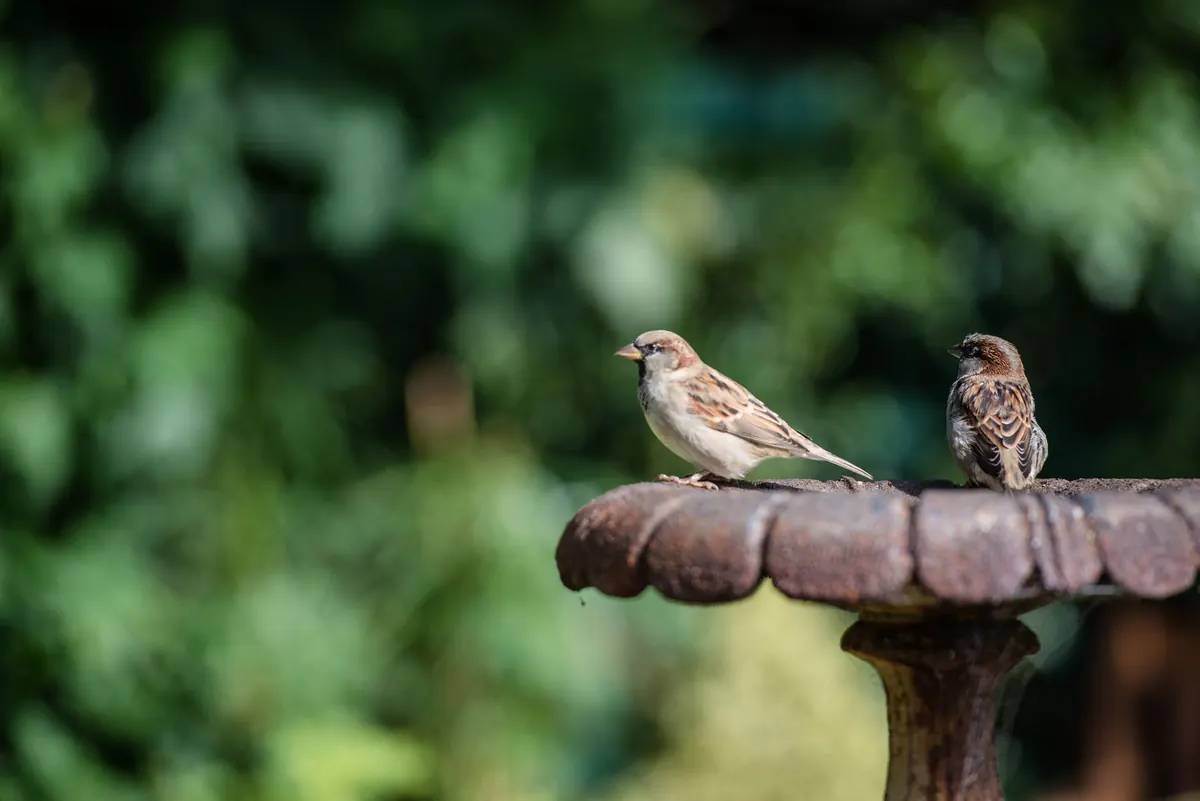
Garden feeding comes into its own from November. Natural food gets scarce and hard to reach, so birds that ignored your feeders in summer now visit daily, often in mixed groups. Watch the flock properly — common species usually bring something unusual with them.
Redwings and fieldfares arrive from Scandinavia and strip berries from cotoneaster and rowan, sometimes dropping into gardens for windfall apples. In a good waxwing winter they appear in supermarket car parks and suburban streets, eating berries in tight, trilling flocks. Bramblings mix with chaffinches under beech trees. Blackcaps increasingly spend the winter here on fat balls, often the first bird in and the last to leave.
Crowded feeders spread disease. Clean them every couple of weeks with hot soapy water, rinse well and let them dry before refilling. Move feeders occasionally so droppings do not build up underneath, keep food dry, and take feeders down if you see sick birds. Keep cats indoors around dawn, and position feeders either within a metre or so of the glass or several metres out — anything in between is a window-strike risk, particularly when a sparrowhawk is about.
Winter woodland sounds quiet but is never empty. Mixed tit flocks move steadily through the canopy, and the trick is to let them come to you rather than chasing: stand still, listen for contact calls, then follow slowly. Goldcrests often trail behind. Stubbles and pasture hold golden plover and lapwing, and a wet field with rushes can produce snipe and, in hard spells, woodcock pushed out of frozen woods.
Keep notes. Comparing the same hedgerow, reservoir or estuary across several winters is where the real interest lies, because numbers of wintering wildfowl and waders shift year to year. Recording counts with schemes such as BirdTrack or the Wetland Bird Survey adds your morning to something national and costs nothing but a notebook.
You do not need to travel far. Pick three sites within half an hour of home — a local wetland, an estuary or reservoir, and your own garden — and visit each at least twice a month. Go properly dressed: thermal layers, waterproof boots, gloves you can work a focus wheel in, and a flask you are not frightened to open in a wind. Keep binoculars inside your coat, and never wipe condensation off a lens with a sleeve. Let the glass acclimatise and use a cloth.
Short days mean planning around light rather than mileage. Be in position by sunrise, and use the middle of the day for estuary roosts or watching the garden from indoors with a mug of tea. Winter is short on hours and long on interest, so treat every cold, bright morning as one to use.
Photo: hansbenn / Pixabay
Previous Post
10 Common Birdwatching Mistakes Beginners Make (and How to Avoid Them)
Next Post
How to Birdwatch Your Local Patch: Parks, Canals and Cemeteries